
Zealandia: Rebuilding Native
The limit of habitat fragmentation on conservation
Upon entering Zealandia, it is difficult to avoid conjuring images of the 1993 film Jurassic Park. The plants and animals contained within Zealandia are truly prehistoric, meant to recreate the native land before the arrival of man. And much like Jurassic Park, the entire 225 hectare park is surrounded be a looming fence over 7 feet tall and a state of the art research facility.
While the fences of Jurassic Park were (poorly) designed to keep animals in, Zealandia's fences are designed only to keep invasive animals out and create a world-class ecosanctuary. As described in Environment at Risk: New Zealand, nonnative possums, stoats, and rats are found on over 94% of New Zealand's land and devastate native species. Zealandia is the first large scale project focusing on reintroducing species to the mainland of New Zealand in an ecosanctuary free of invasive species.
In terms of environmental conservation and sustainability, Zealandia is the gold standard within ecotourism. Zealandia has a 500 year goal to restore their land to its pre-human state and to create a self-sustaining ecosystem that would require no human intervention or funding to maintain. Their mission, while lofty, directly combats many of the environmental issues facing New Zealand today and is helping to reverse environmental degradation.
As further elaborated upon in my article "Environment at Risk: New Zealand," New Zealand is home to an incredibly delicate ecosystem and to numerous plant and animal species found nowhere else on Earth. Before the arrival of man around 800 years ago, New Zealand was a "near mammal-free" environment with only a couple species of bats. Presently, this endemism and relatively low biodiversity within the kingdom animalia make the New Zealand ecosystems particularly vulnerable to disturbances and invasion. The Environment Aotearoa 2015 report released by the New Zealand Ministry for the Environment describes the peril the New Zealand environment is currently facing and the seemingly inevitable decline in biodiversity:
Since humans settled New Zealand 700-800 years ago, we have changed the environment to produce food, materials, energy, and other resources. Our economy and way of life are dependent on farming, forestry, and many other productive activities. However, many of our activities have also had an impact on our indigenous plants and animals, and their habitats:
- our indigenous forests are reduced to about one-third of their pre-human extent
- wetlands are reduced by about 90 percent; other ecosystems, such as active sand dunes, are also substantially reduced
- many indigenous species face extinction, including 81 percent of bird species that breed in New Zealand (known as resident species), 72 percent of freshwater fish, 88 percent of reptile, 100 percent of frog, and 27 percent of our resident marine mammal species
- the risk of extinction is increasing for some species – since 2005, the threat increased for 7 percent of our threatened freshwater, land, and marine species.
Much of the decline in terrestrial and avian populations is caused by the spread of invasive species such as possums, stoats, and rats.
As a leader in innovative environmental conservation in New Zealand, Zealandia is successfully working to combat every environmental issue described above. Zealandia's goal is to revert the land to its pre-human state primarily by reestablishing native species, studying natural processes, and removing non-native invasive species. Through their conservation efforts, they are also increasing the amount of forested land, restoring a portion of the wetlands, and helping prevent the extinction of numerous species.
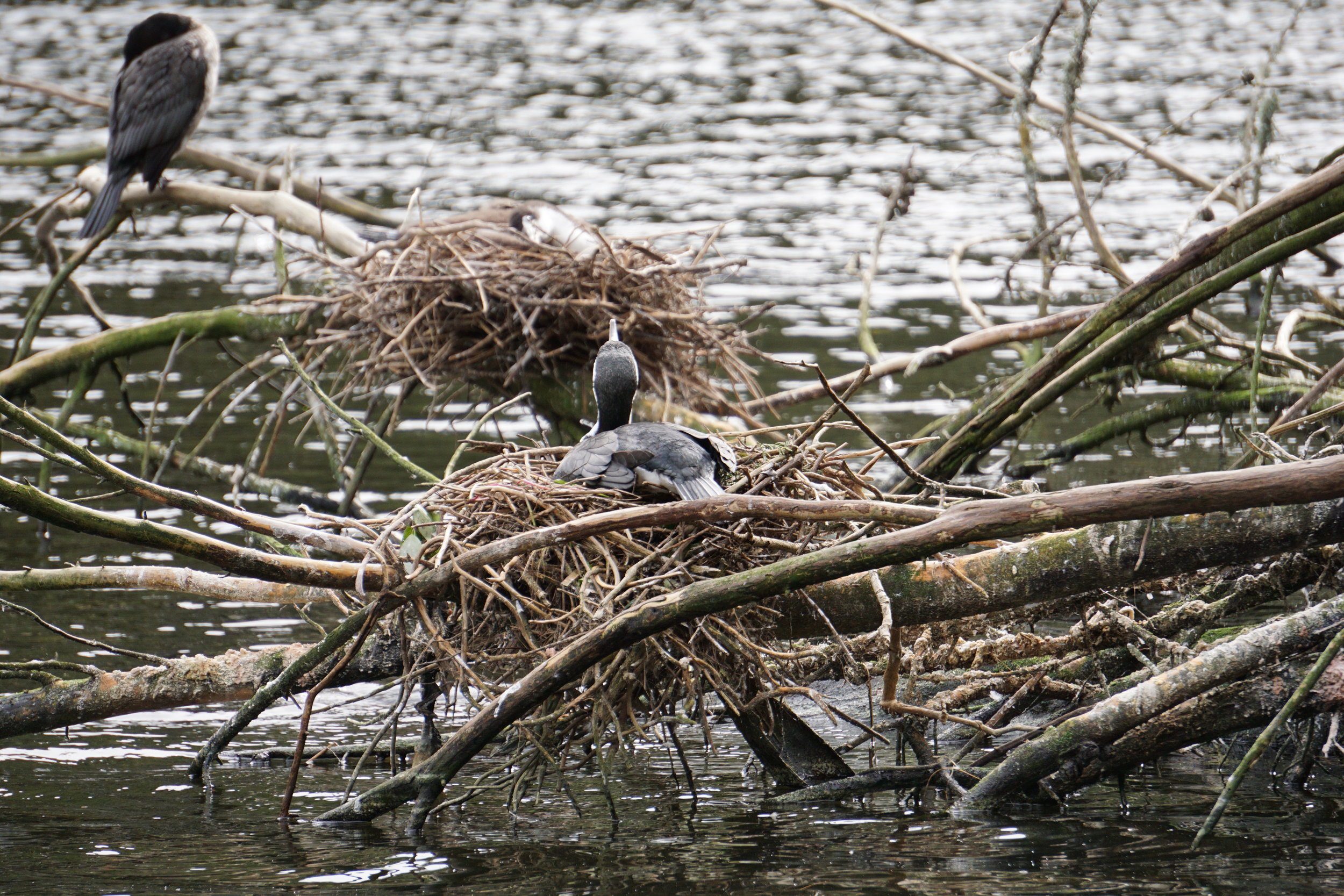
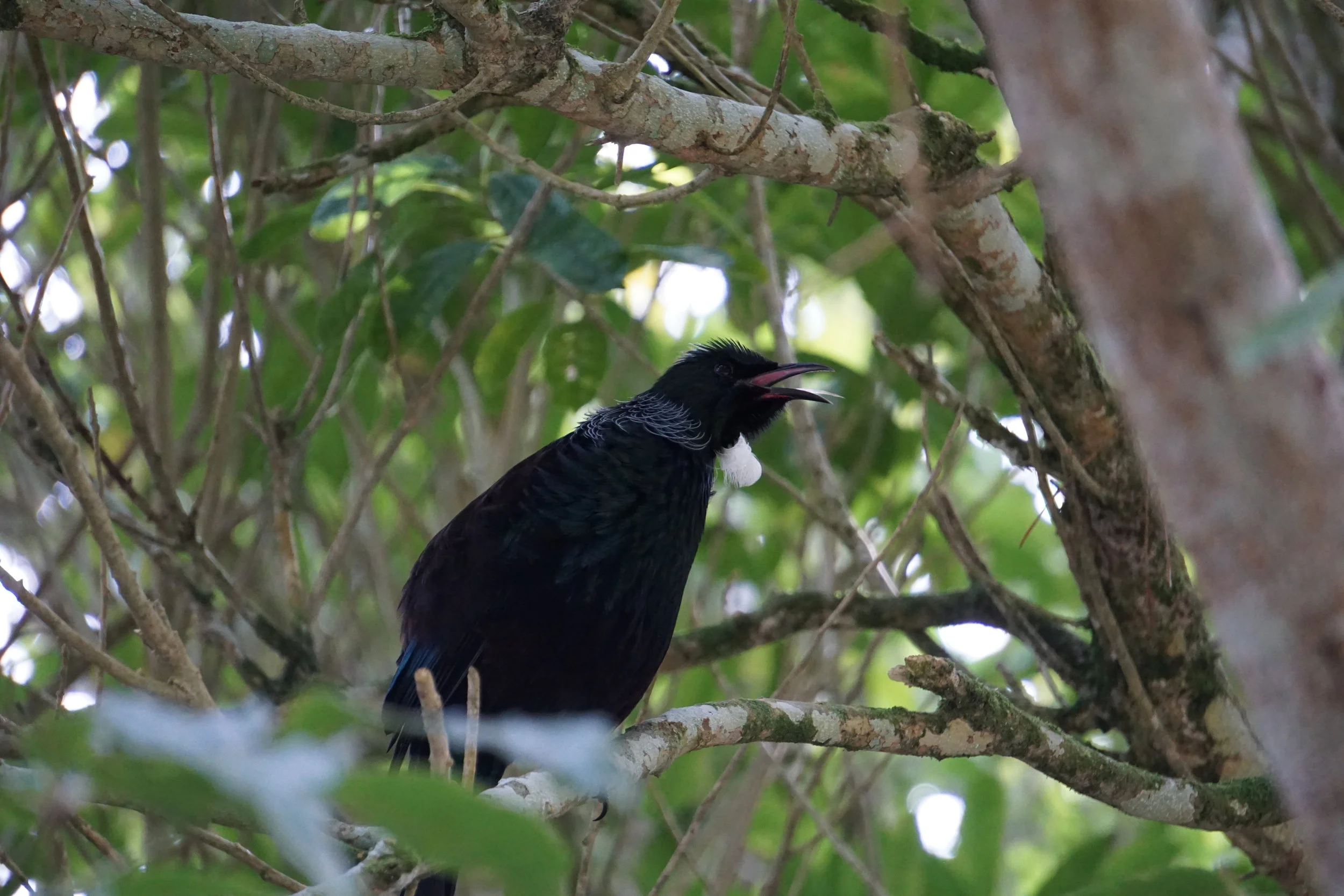
Since their initial formulation in 1990, Zealandia has become home to at least 40 different bird species (24 of which are endemic to New Zealand), dozens of different reptile species, and hundreds of plant species. Most importantly, Zealandia has reintroduced 18 native species to the area. Six of those species had been absent from the mainland for 100 years. Zealandia's latest project is returning the rifleman bird (New Zealand's smallest bird) back to the Wellington area. Zealandia's success in conservation and habitat restoration is clearly evident.
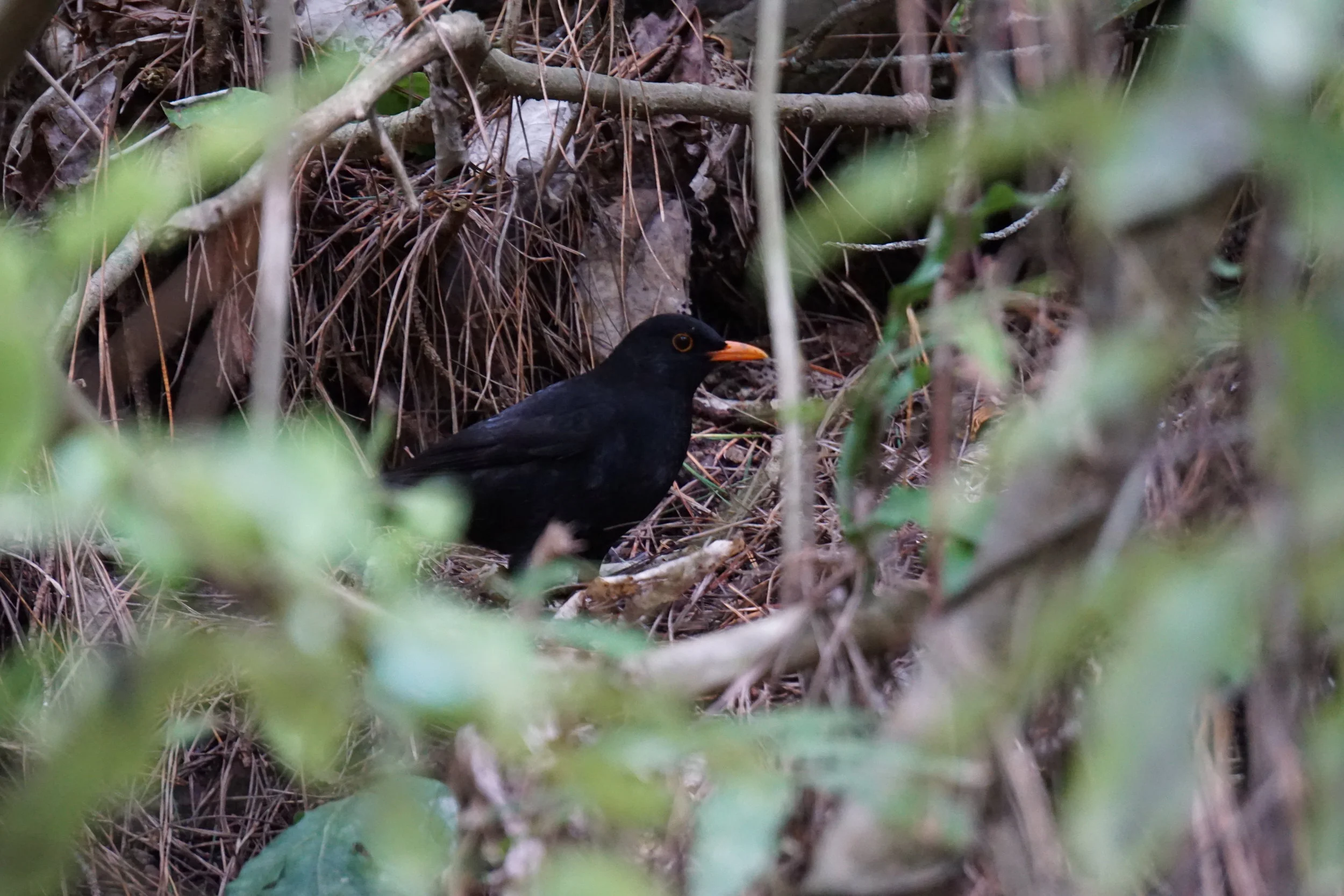
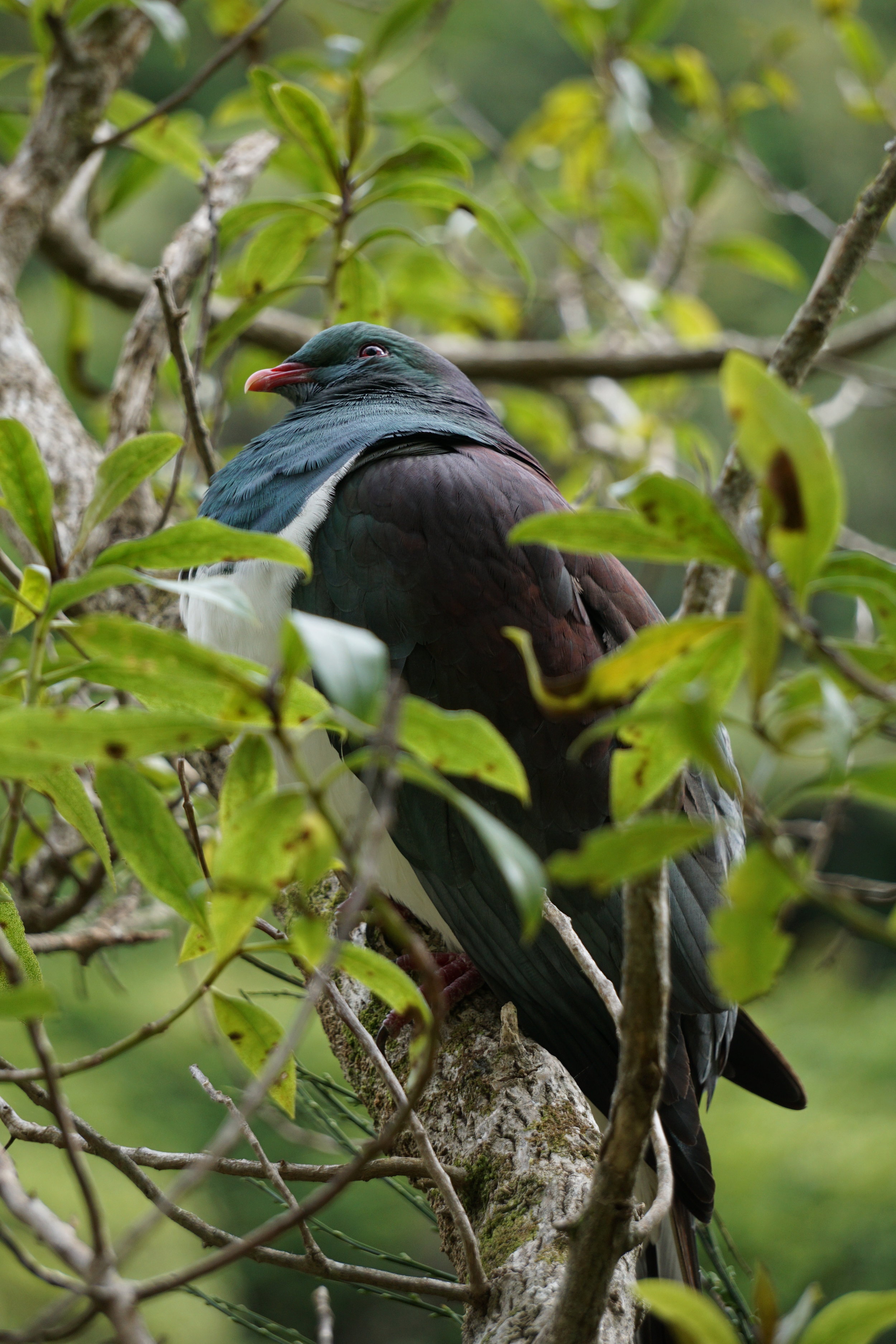
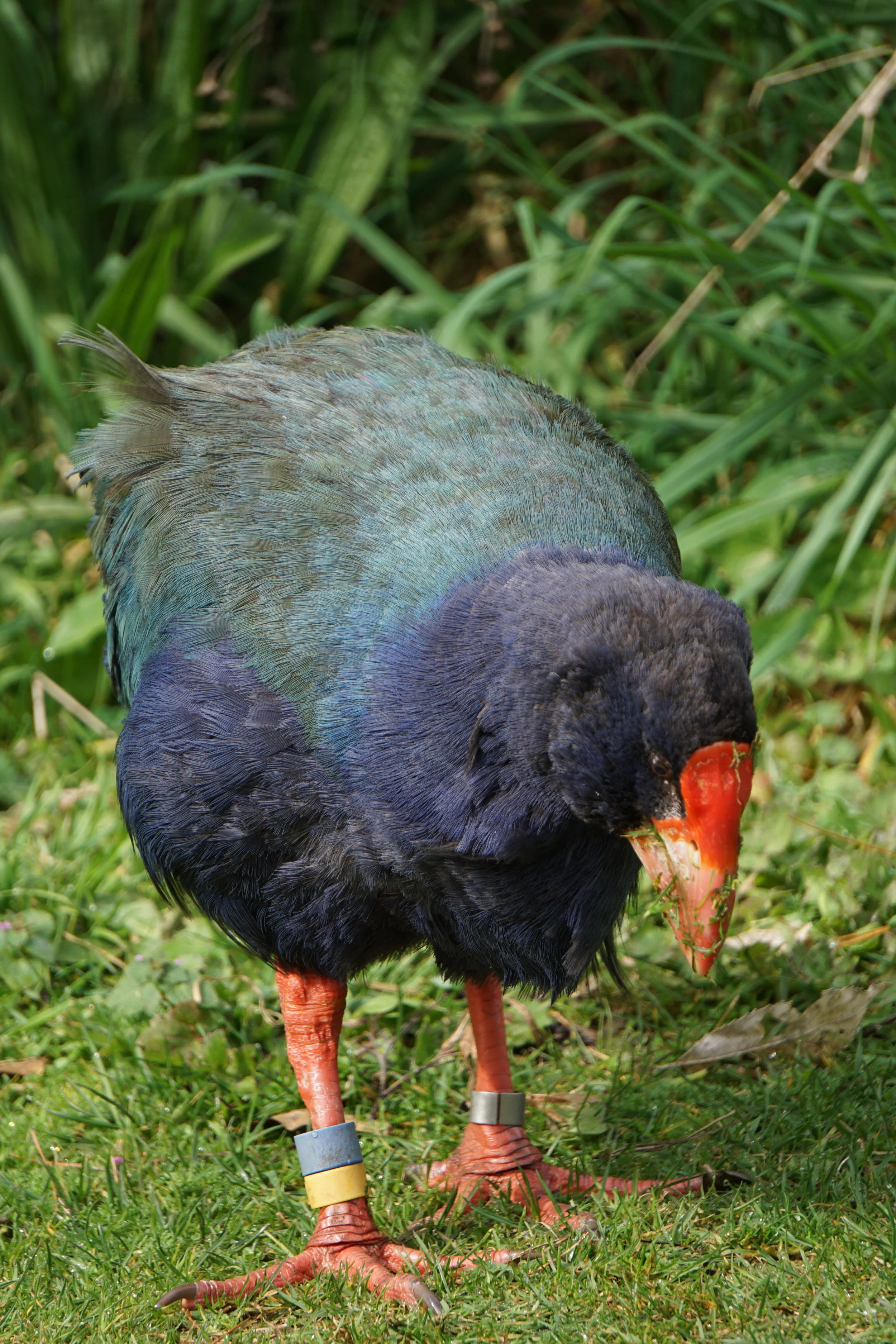
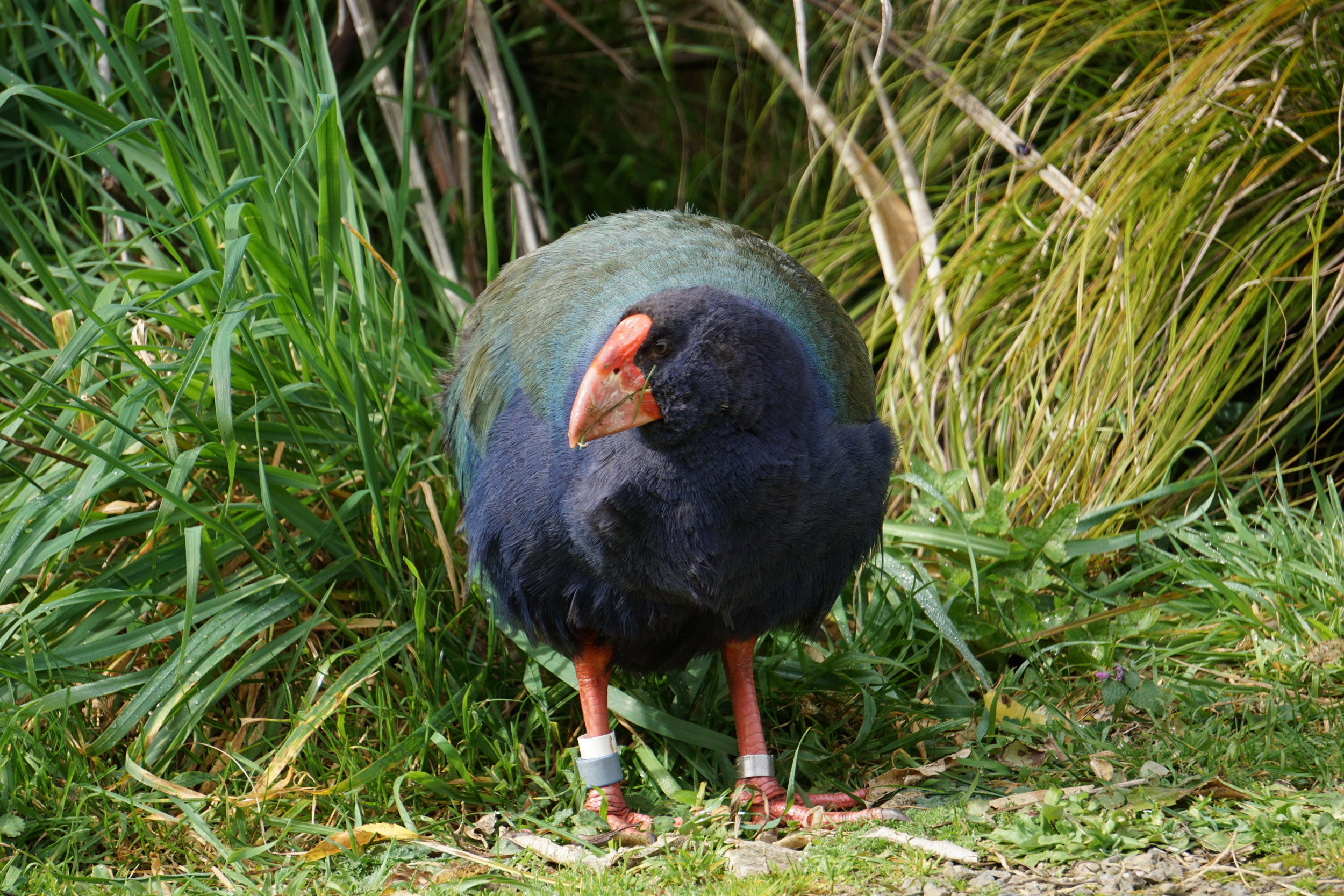
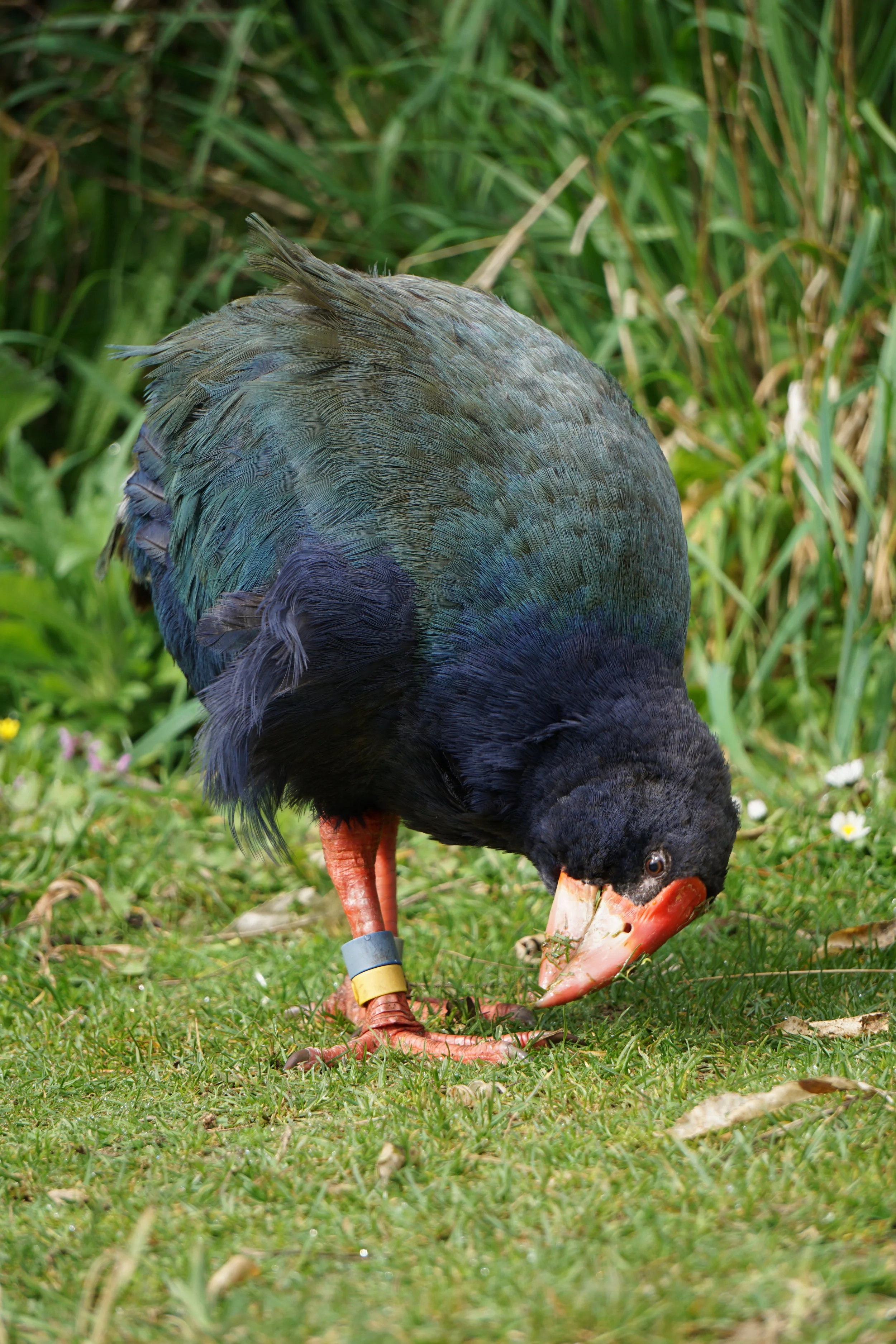
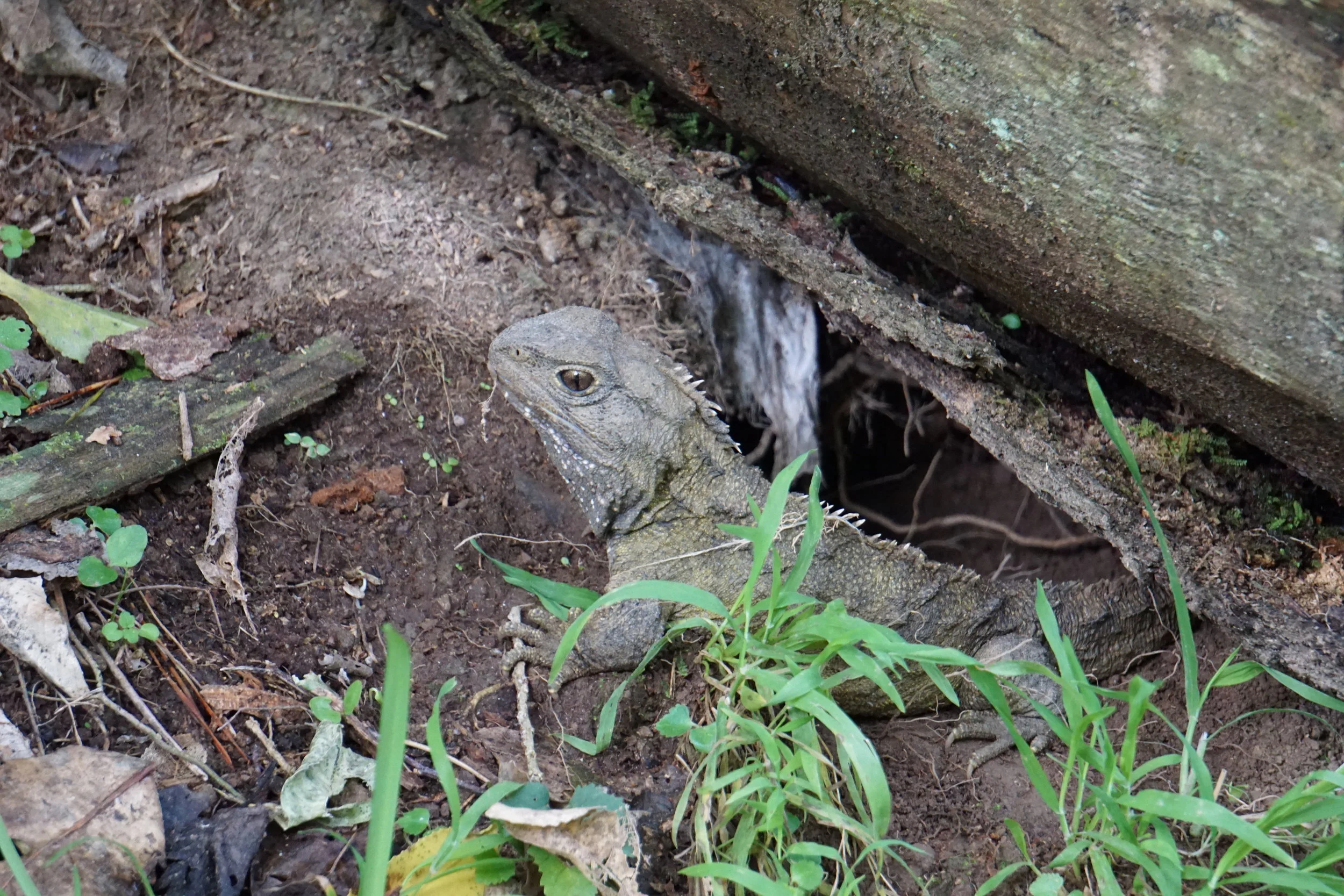
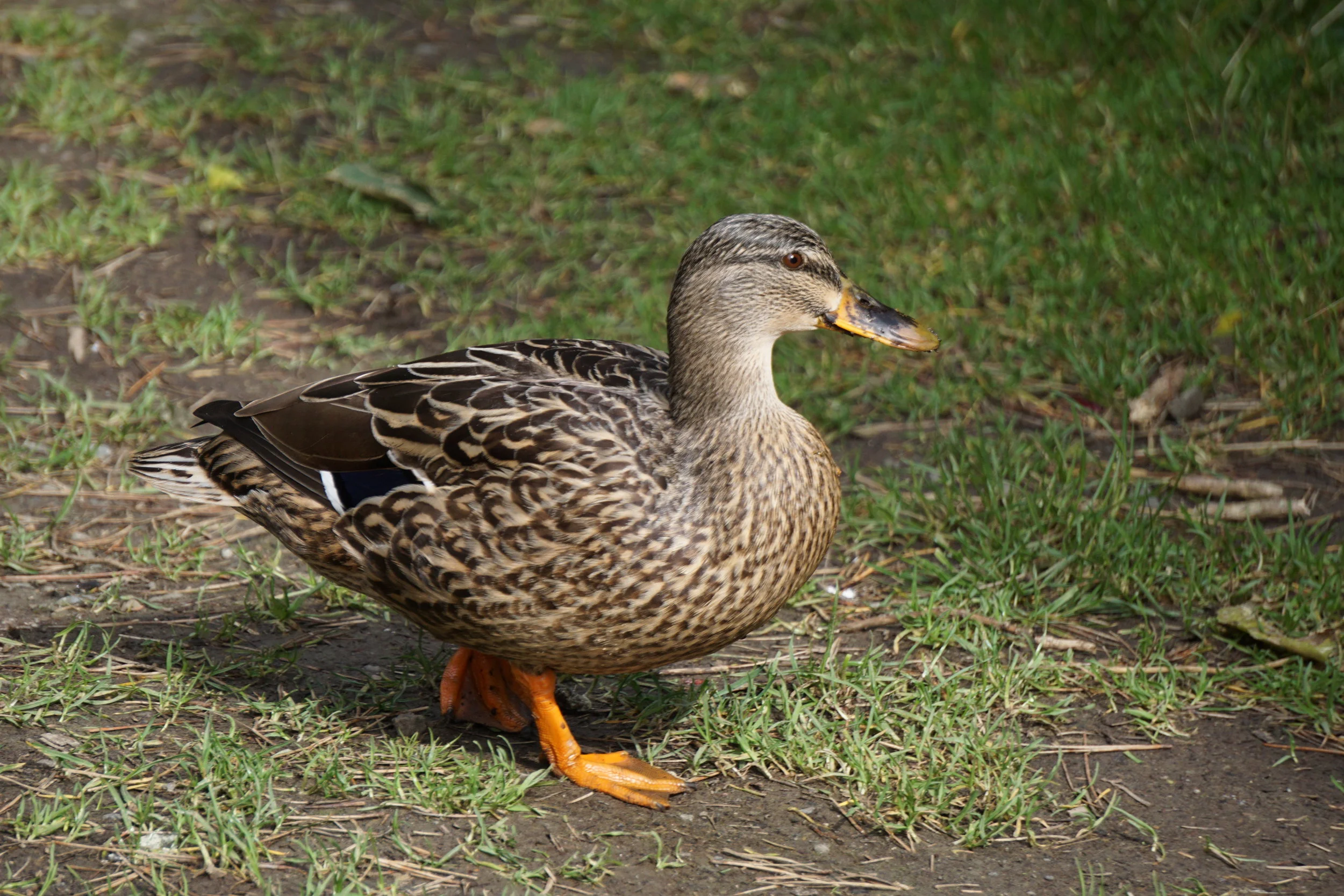
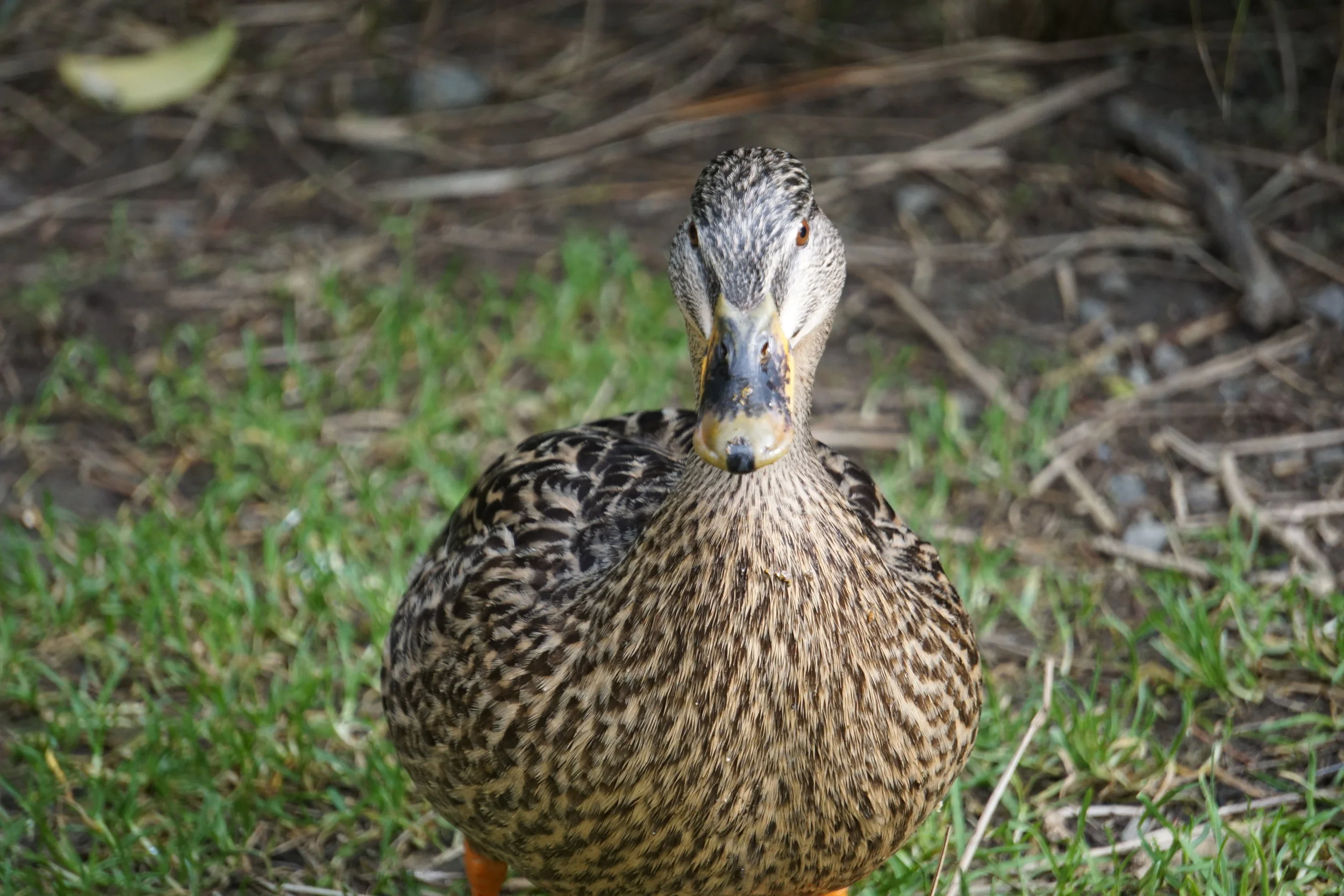
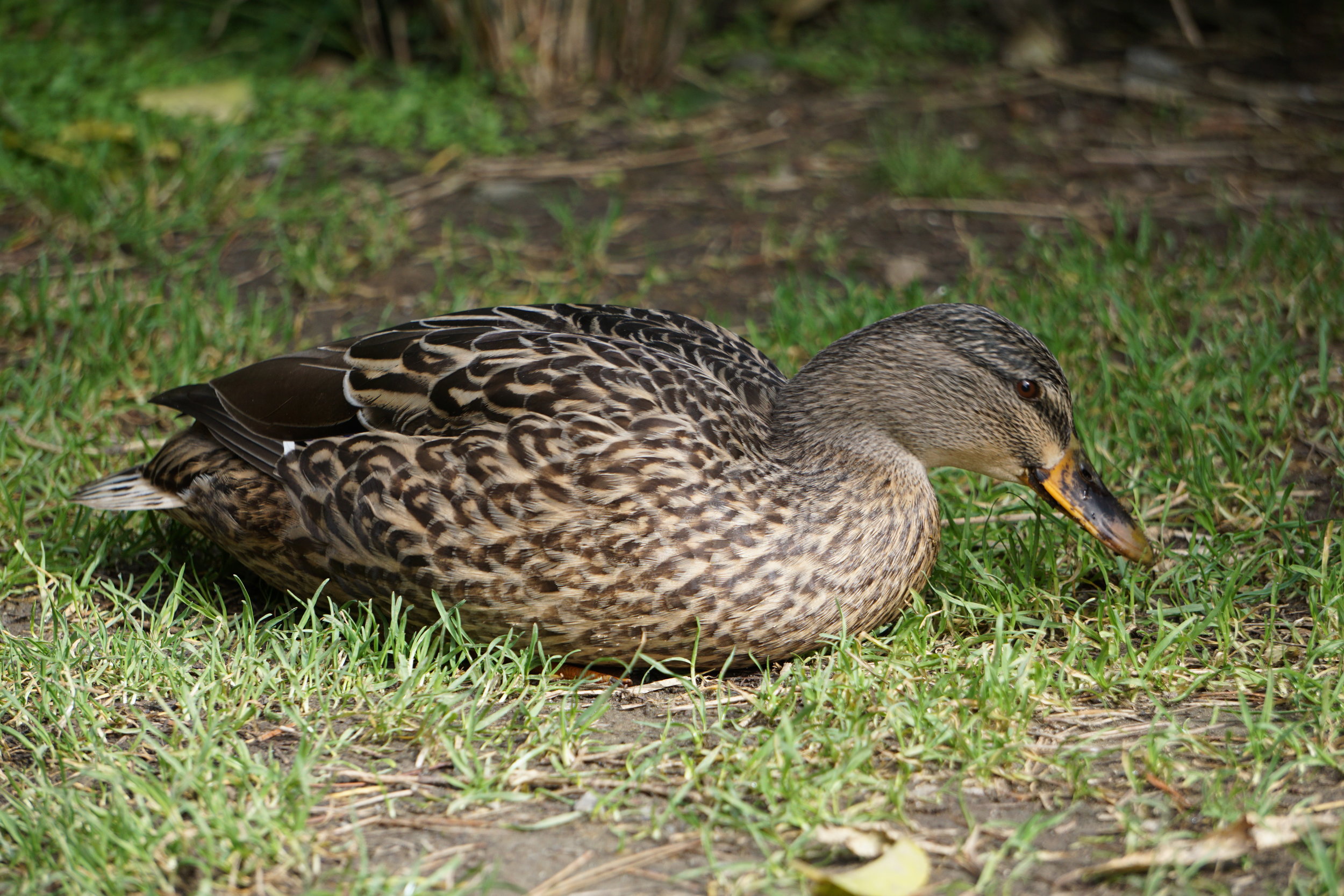
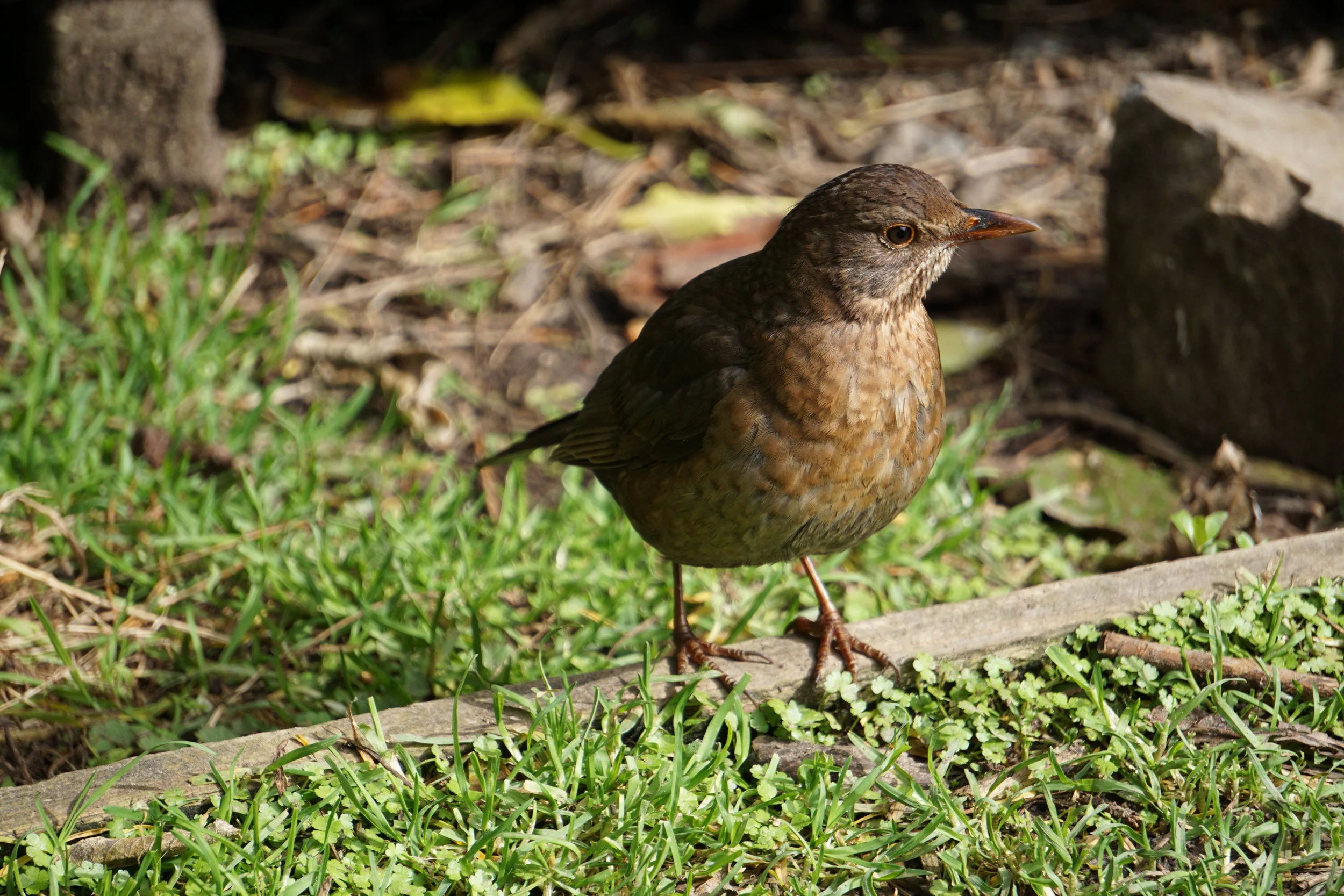
From the perspective of an ecotourist and conservationist, Zealandia is a dream come true. In Zealandia, one is able to learn about the native environment of New Zealand and successful conservation strategies all while experiencing nature first-hand. The number and diversity of animals (particularly birds) almost felt like being in a well-curated zoo. However, after a moment or two posing for the camera, the tuataras would retreat into their holes and the birds would fly off through the canopy, above the fence and one would again be reminded of their freedom. The birds chose to fly there. Additionally, as evidenced by the picture to the right and the slideshow below, the birds were unafraid of human proximity allowing visitors to get unbelievably close to truly wild animals and nature.
Additionally, Zealandia demonstrates the power of inter-organizational cooperation. According to the Zealandia website, funding primarily comes from the New Zealand Department of Conservation (often referred to in New Zealand as the DOC), the Wellington City Council, the University of Wellington, Wellington Tenths Trust, Nature Connections, Russell McVeagh, the NZ Community Trust, the Holdsworth Charitable Trust, R&D Evans Charitable Trust, W.N. Pharazyn Charitable Trust, and the Stout Trust. These sources of funding feed into Karori Sanctuary Trust which manages Zealandia. The funding is additionally supplemented by revenue and donations from visitors.
However, despite their amazing advances in cooperation, conservation, and habitat restoration, there will always be external limits to Zealandia's effectiveness. The biggest barrier they need to overcome is habitat fragmentation. Habitat fragmentation is when habitat loss divides formerly large habitat into small disconnected fragments. [1] This process results in decreased population size, decreased overall biodiversity, and may accelerate species loss. [2] Zealandia is a fragment of a habitat that used to cover the majority of New Zealand. Currently, other fragments of the native New Zealand ecosystem can be found on coastal islands, including Poor Knights Islands off the North Coast. In order to fully realize Zealandia's dream and overcome the limitations of habitat fragmentation, there must be unified effort across the mainland of New Zealand to restore native habitat. And, in order create a unified effort, the New Zealand government must work to create new programs and remove all nonnative species.
Zealandia's conservation efforts are also limited externally by global warming. As relatively minor contributor of greenhouse gases, New Zealand cannot fix global warming without aid and cooperation from other countries. Discussed further in Scuba Diving in AU and NZ, climate change is one of the most prominent global, external limits on conservation efforts and has widespread negative impacts on ecosystems and the environment.
Zealandia is one of New Zealand's most successful conservation programs and a unique form of ecotourism. Yet, even as a leader in habitat restoration, Zealandia's effectiveness as a conservation strategy is limited by external factors such as habitat fragmentation on the mainland of New Zealand and global warming.
To learn more about Zealandia's mission or to aid their conservation efforts, please visit their website by clicking here.
[1] Didham, Raphael K(Nov 2010) Ecological Consequences of Habitat Fragmentation. In: eLS. John Wiley & Sons Ltd, Chichester. http://www.els.net [doi: 10.1002/9780470015902.a0021904]
[2] Ibid, Didham 2010